Understanding Aluminium Fabrication
Aluminium fabrication is a vital process in the construction and manufacturing industries, transforming raw aluminium into intricate structures and components essential for various projects. This process encompasses a combination of techniques and technologies that allow for the customization and creation of durable products, ranging from metal gates to intricate railings and more. When exploring options, Aluminium fabrication offers comprehensive insights into how this versatile material can enhance your projects.
What is Aluminium Fabrication?
Aluminium fabrication refers to the systematic process of converting aluminium alloys into finished structures or components. This includes several stages such as cutting, bending, welding, machining, and assembling. Unlike other metals, aluminium is lightweight and resistant to corrosion, making it an ideal choice for diverse applications—especially in environments where durability and aesthetics matter.
Common Techniques in Aluminium Fabrication
- Cutting: This process involves trimming metal sheets or blocks to specified dimensions using various tools such as saws and laser cutters.
- Bending: Bending is achieved through machines like press brakes, reshaping the aluminium without losing its structural integrity.
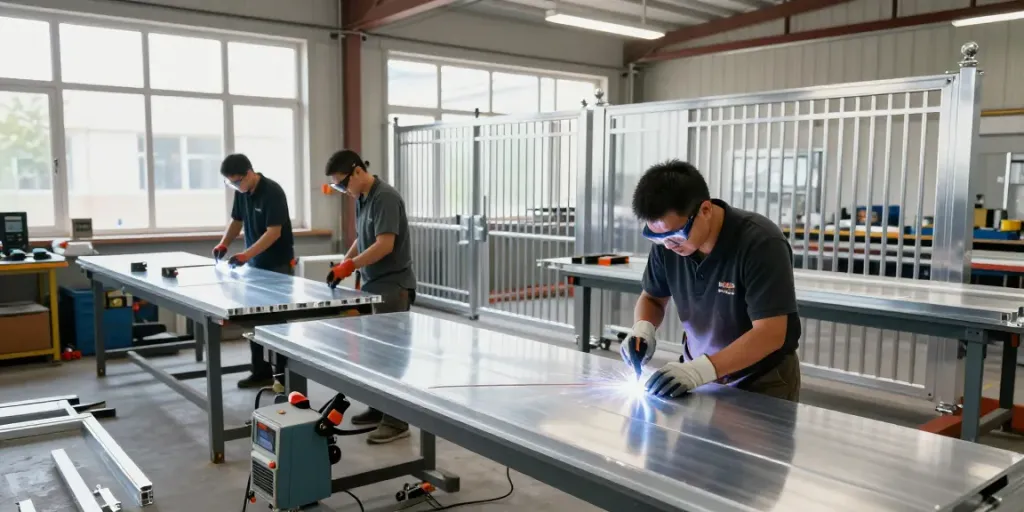
- Welding: Different welding techniques, including TIG and MIG welding, are employed to join pieces of aluminium together, ensuring strong and durable joints.
- Machining: Machining processes like drilling and milling refine the aluminium components to exact specifications.
- Finishing: Final touches, such as anodizing or powder coating, enhance appearance and protect against environmental damage.
The Importance of In-House Fabrication
Opting for in-house fabrication aligns with quality assurance standards and streamlines project management. By controlling every aspect of the fabrication process—from material selection to the final installation—companies can maintain consistency and address issues in real-time. This autonomy also allows for more flexibility in design modifications, ensuring that clients receive precisely what they envisioned.
Challenges Faced in Aluminium Fabrication
Dealing with Corrosion in Coastal Areas
In regions like Fujairah, where coastal climates prevail, aluminium is subject to rigorous challenges. The salty air can accelerate corrosion unless proper protective measures are implemented. Understanding how surface preparation and coating materials affect longevity is crucial in ensuring that aluminium structures withstand harsh environmental conditions.
Understanding Cost Implications
The cost of aluminium fabrication is influenced by numerous factors, including material thickness, complexity of design, and finishing requirements. While higher upfront costs may be daunting, quality aluminium work can result in long-term savings by reducing maintenance and replacement needs.
Addressing Misconceptions about Aluminium
One common misconception about aluminium is that it is not as strong as steel. In reality, aluminium can provide equivalent strength at lighter weights, making it a preferred choice in various applications. It’s essential to dispel these myths and educate stakeholders on the benefits and applications of aluminium fabrication.
Best Practices for Aluminium Fabrication
Choosing the Right Materials
Selecting the appropriate aluminium alloy is foundational in any fabrication project. Depending on the requirements—such as strength, weight, and corrosion resistance—different alloys may be necessary. Familiarizing oneself with the specific properties of aluminium grades helps in making informed decisions.
Ensuring Quality Control throughout the Process
To maintain high-quality standards, implementing rigorous quality control measures at each stage of fabrication is essential. This includes regular inspections and testing of materials to ensure compliance with industry standards.
Efficient Project Management Techniques
An efficient project management approach involves careful planning and scheduling of each phase. By adhering to timelines and maintaining open lines of communication among all stakeholders, projects can proceed smoothly, minimizing delays and cost overruns.
Real-World Applications of Aluminium Fabrication
Case Study: Successful Projects in the UAE
The UAE is home to various ambitious architectural projects leveraging aluminium fabrication. From stunning villa gates in Fujairah to contemporary window fittings across Dubai, the applications of aluminium are vast. For instance, the Al Taher Group’s work on custom-designed units showcases how in-house fabrication can allow for specialized solutions that meet client needs precisely.
Innovative Designs Using Aluminium Fabrication
Innovative designs in aluminium fabrication continue to emerge, pushing the boundaries of what is achievable. From artistic railings to complex structures, custom fabrication allows designers to experiment with form and function in exciting new ways.
The Role of Aluminium in Modern Architecture
Aluminium has become a staple in modern architecture due to its lightweight nature and versatility. Its use in building facades, window systems, and structural components allows architects to achieve sleek and contemporary designs that also fulfill performance criteria.
The Future of Aluminium Fabrication in 2026 and Beyond
Emerging Trends and Technologies
The future of aluminium fabrication is being shaped by technological innovations such as automation and digitization. Advancements in computer-aided design (CAD) and Computer Numerical Control (CNC) machining are streamlining processes, reducing lead times, and increasing precision in fabrication.
Environmental Considerations in Aluminium Fabrication
With growing awareness of environmental impacts, sustainable practices in aluminium fabrication are gaining traction. This entails not only recycling and reducing waste but also adopting energy-efficient processes in production.
Preparing for the Next Generation of Fabrication
As the industry continues to evolve, staying ahead requires an understanding of both market demands and technological advancements. Investing in staff training and adopting new technologies ensures companies remain competitive and can meet future challenges effectively.
What Are Common Misconceptions About Aluminium Fabrication?
Addressing misconceptions about aluminium, including its perceived weakness and higher cost, is necessary for broadening understanding among clients and industry stakeholders. Proper education can reveal aluminium's strengths, such as its lightweight yet robust nature, allowing for versatile applications.
How Do I Choose a Reliable Aluminium Fabrication Partner?
Choosing the right fabrication partner involves assessing their experience, portfolio, and commitment to quality standards. In-house capabilities, as demonstrated by companies like the Al Taher Group, often signify reliability, as all processes are managed under one roof.
What Are The Key Benefits of In-House Aluminium Fabrication?
In-house aluminium fabrication minimizes risks associated with outsourcing, such as miscommunication and quality inconsistencies. By controlling the entire fabrication process, businesses can ensure a seamless workflow and maintain high-quality standards throughout the project.
What Innovations Are Shaping Aluminium Fabrication?
Innovations such as advanced coatings, improved welding technologies, and sustainable practices are transforming aluminium fabrication. These advancements not only enhance product quality but also extend the lifespan of the structures created.
How Can I Ensure Quality in My Aluminium Fabrication Projects?
To achieve quality in aluminium fabrication projects, it is essential to select a partner with robust quality control measures, utilize high-grade materials, and keep an eye on evolving industry practices and standards. Ensuring transparency throughout the fabrication process further supports the delivery of superior products.